Blog / Heath Ford Service

Blog

All Heath Ford Service Columbus, OH Ford Dealer Heath Ford Dealer 2024 Ford Models Coughlin Ford of Heath Service 2025 Ford Models Ford Technology Things To Do Near Columbus, OH Trims & Features Heath, OH Community 2023 Ford Models 2026 Ford Model Towing Capabilities Ford Trucks Ford SUVs Restaurants in Heath, OH 2022 Ford Models Fuel System Vehicle Financing in Ohio Family Car Ford Escape Ford Explorer Ford F-150 Ford Ranger 2026 Ford Bronco vs Bronco Sport 2026 Ford F-150 2026 Ford Maverick Air Filter Replacement Battery Warning Light Brake service Check Engine Light Collision Warning Coughlin Ford of Heath Auto Repair Equity Car Loan Finance Ford Accessories Ford Adaptive Cruise Control Ford BlueCruise Ford Bronco Ford Bronco vs Bronco Sport Ford Co-Pilot360 Ford Dashboard Warning Lights Ford Escape Specs Ford F-150 Lightning Ford F-250 Super Duty Ford F-350 Super Duty Ford Family Vehicle Ford Maverick Ford Mustang Heath Used Cars New Model Year Ford Off-Road Vehicle Oil Pressure Warning Light Service Tips
Spring Maintenance Ford

Spring Ford Maintenance in Heath, OH: Essential Tips

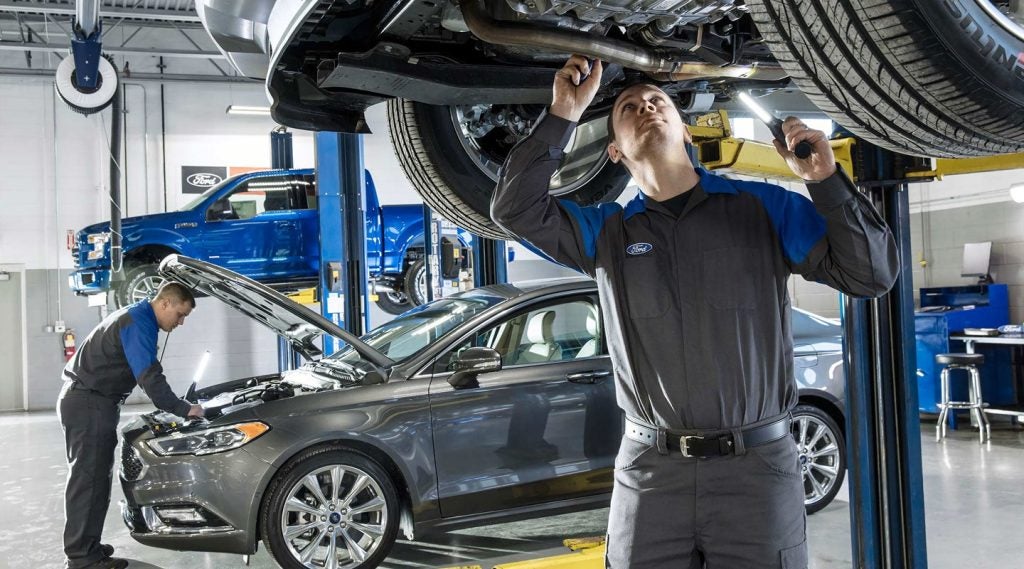
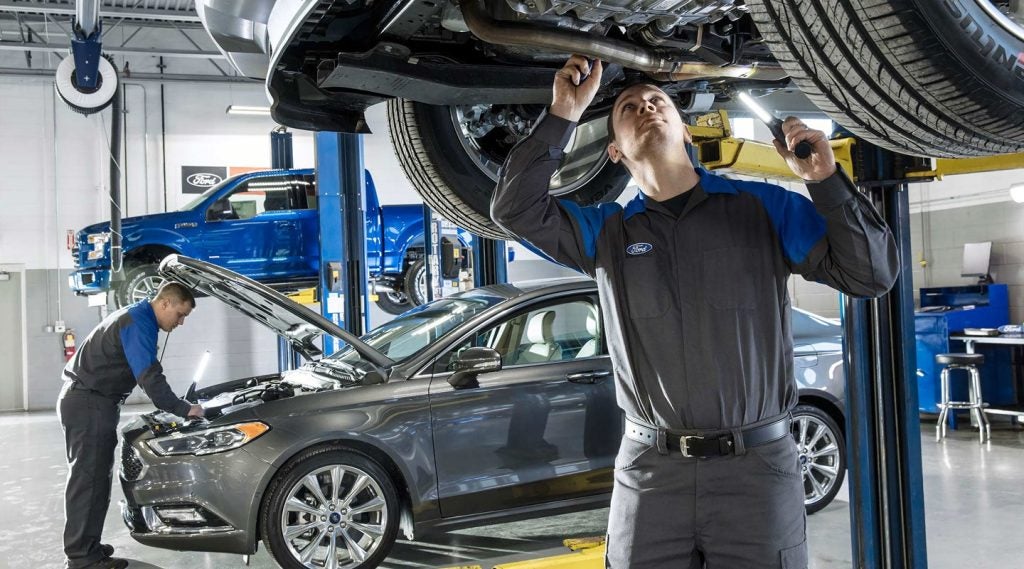
Spring is here, and it’s the perfect time to ensure your Ford is ready for the warmer months ahead. For drivers in Heath, OH, following a seasonal maintenance schedule can help keep your vehicle in peak condition while avoiding costly repairs down the road. Whether you’re preparing for road trips or daily commutes, spring Ford maintenance is essential to keep your car, truck, or SUV running smoothly. Why Spring Maintenance Matters for Your Ford As the seasons change, so do the demands on your vehicle. Winter’s harsh conditions can take a toll on your Ford, making spring the ideal time to address any wear and tear. Spring Ford maintenance in Heath, OH, focuses on inspecting and servicing key components to ensure your vehicle is ready for the months ahead. From checking your tires and brakes to replacing fluids and inspecting your air conditioning system, a thorough seasonal maintenance schedule can improve performance, enhance safety, and extend the life of your vehicle. more Key Areas to Address During Spring Maintenance Tires and Alignment Winter roads can be rough on your tires. Inspect them for uneven wear, cracks, or low tread depth. Proper tire pressure is also crucial as temperatures rise. Additionally, consider having your alignment checked to ensure smooth handling and even tire wear. Fluid Levels and Oil Change Spring is an excellent time to check all fluid levels, including engine oil, coolant, brake fluid, and windshield washer fluid. Replacing old oil with fresh oil ensures optimal engine performance and efficiency. Battery Health Cold weather can weaken your battery, so it’s important to test its charge and inspect for corrosion. A reliable battery is essential for starting your vehicle and powering its electrical systems. Air Conditioning System As temperatures climb, you’ll want your air conditioning system working perfectly. Have it inspected for leaks or low refrigerant levels to ensure it’s ready to keep you cool during spring and summer drives. Brake Inspection Your brakes are vital for safety. Inspect brake pads, rotors, and fluid levels to ensure they’re in good condition. Addressing any issues now can prevent more significant problems later. Benefits of Following a Seasonal Maintenance Schedule Sticking to a seasonal maintenance schedule not only keeps your Ford running smoothly but also helps you avoid unexpected breakdowns. Regular maintenance improves fuel efficiency, enhances safety, and maintains the resale value of your vehicle. For drivers in Heath, OH, spring Ford maintenance is an investment in peace of mind and long-term reliability. Schedule Service in Heath, OH Ready to give your Ford the care it deserves this spring? Visit Coughlin Ford of Heath for expert spring Ford maintenance in Heath, OH. Our skilled technicians will ensure your vehicle is road-ready with a comprehensive seasonal maintenance schedule tailored to your needs. Schedule your service appointment today!
Hand,A,Man,Change,And,Check,Air,Filter,Of,Car

Ford Air Filter Maintenance: Keep Your Engine Breathing Easy

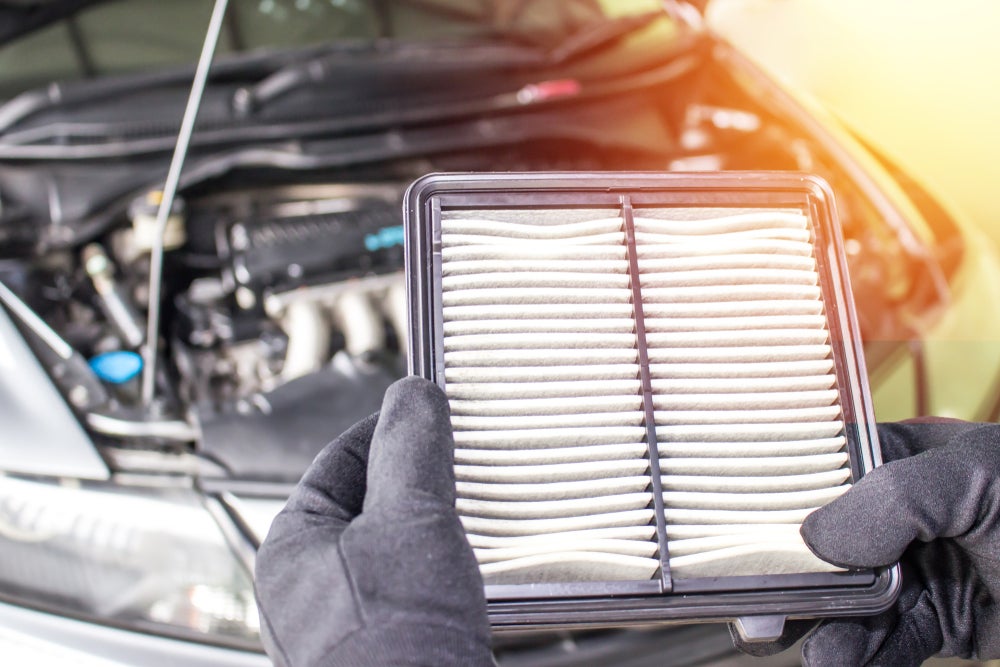
Your car's engine requires a steady inflow of fresh oxygen, which mixes with fuel inside the combustion chambers. The air filter prevents dust, dirt, sand, insects, and other airborne contaminants from entering the engine. Good Ford air filter maintenance primarily involves changing the filter periodically to avoid engine problems. Let's look at how often you should do so. Change Your Air Filter Once a Year For most drivers, a yearly change will suffice when it comes to both the engine and cabin air filter. Air filters are relatively inexpensive compared to other car parts, and very straightforward to change. Despite this, they're absolutely vital to proper engine performance, and it's wise never to forget about your engine's air filter. Once a filter becomes clogged enough to slightly impede airflow, the engine will misfire, and your car could become damaged in various ways. more How Dusty Are Your Driving Conditions? Some driving environments have dirtier air than others, requiring more frequent filter changes. The air in Ohio isn't as dusty and sandy as that of some states like New Mexico, but if you regularly take your vehicle off-road or along rougher, dirtier tracks, your air filter will fill up with dirt and debris much faster. Regular commutes in dense urban traffic also give the air filter more airborne pollutants to contend with. If you think you put your vehicle through conditions with dirtier air, consider changing the filter twice a year and inspect it more often, too. Notice Signs of a Clogged Air Filter As with any important vehicle component, drivers who know the signs of a clogged air filter will detect and fix it quicker. Bearing this in mind, here are a few indications that your filter has to go. Sputtering, Vibrating Engine When a blocked air filter restricts the amount of oxygen entering the cylinders, the fuel-air balance gets thrown off. With less air in the mix, there's now an excess of fuel, which coats the spark plugs in a sooty residue. The fouled spark plugs then begin to misfire, causing your car to shudder and cough. Sluggish Acceleration With an oxygen-starved engine operating less efficiently, your car won't accelerate as easily as usual. You might find it harder to cross a busy intersection quickly or reach top speeds on the highway. Smoke From the Tailpipe The excess of fuel that builds up inside the combustion chambers as a result of a clogged filter will eventually leak back into the exhaust system. Therein, the fuel can partially or fully ignite, causing smoke to pour out of the tailpipe. The catalytic converter might also get damaged by the fuel. Visit Coughlin Ford of Heath in Newark, OH, today to avoid all these issues with a prompt, hassle-free air filter replacement.

Ford spark plug replacement in Heath, OH

Maintaining Your Ford Spark Plugs: Replacement Intervals

The spark plugs play a vital role in your engine as they ignite the fuel-air mixture in the cylinders to produce combustion. As time passes, spark plugs age and wear out, and can also become damaged by undiagnosed engine problems. As your Ford dealership, we want you to know some signs you need to visit us for a Ford spark plug replacement. Signs You Need a Ford Spark Plug Replacement at Your Ford Dealership Misfiring A misfire is caused by the incorrect ignition of the fuel-air mixture in a cylinder. Inside a cylinder, the fuel-air mixture is compressed by the piston, and then ignited by the spark plug at the high point of compression. A healthy spark plug causes the mixture to burn in a precisely timed series of mini explosions, producing the energy that moves your vehicle. Worn or damaged plugs cause the fuel-air mixture to burn irregularly. Irregular burning produces less energy, wastes fuel as much of it doesn't burn, and produces a misfire. Continued misfiring will damage the cylinders and pistons, and increase wear and tear on other engine components. Our technicians will examine your plugs and replace any that are damaged. more Check Engine Light Your Ford has a computer that regulates many engine functions. The computer depends on information from the numerous sensors installed on the engine's most important systems. Each sensor monitors its connected component to ensure it works correctly. If a sensor detects a problem with a spark plug, it informs the computer, which logs the information with an error code and activates the check engine light. The check engine light also illuminates in response to any issue affecting engine performance, so we need to confirm the exact cause of the problem. We connect an OBD II scanner to your computer to read the error codes it's logged. Once the issue is identified, we repair it, and the check engine light switches off. Strange Engine Noises A Ford engine makes very little sound as it works, so unusual noises like coughing or spluttering are a sign that something is wrong.  These odd sounds usually mean the spark plugs aren't firing correctly due to a lack of air. Two of the main causes of this problem are oil dripping onto the plugs or a fuel-rich engine. The engine turns fuel-rich when the fuel-air mixture contains more fuel than air. Air is essential for combustion, as the spark plugs can't ignite correctly without it. An oil leak, due to a worn seal or other damage, onto a spark plug prevents the affected plug from sparking correctly. We'll examine the plugs, find the cause of the problem, and repair it. Plug replacement is quick and inexpensive and can prevent engine damage. Contact us today at Coughlin Ford of Heath in Newark, OH.

Ford Service Department in Heath, OH

Maintaining Your Ford Differential: Service Guidelines

Differentials are often neglected when it comes to car maintenance. But these little gear systems that control the wheel axles play a crucial role in your safety and vehicle handling, allowing the outer wheels to rotate faster on a turn, which protects the tires and ensures maximum traction. To keep your cornering smooth and secure, here's an outline of good Ford differential maintenance. Maintaining Your Ford Differential: 4 Service Guidelines Change the Differential Fluid Differentials are relatively low-maintenance components, with fluid that lasts for 30,000 to 50,000 miles. However, it's best not to forget to check and change this fluid, as low or degraded differential fluid can rapidly lead to overheating, locking, or worn-down gears. Have a professional examine the fluid in each differential at least once a year. more Inspect the Seals The seals on your differentials keep the fluid in and contaminants out. Have these seals carefully inspected once a year for signs of leaks or worn patches that might allow dirt and debris to enter and ruin the fluid. Any malfunctioning seals can quickly be replaced. Watch Out for Signs of Trouble Difficulty Cornering As the primary task of differentials is to smoothen your cornering, a fault will be noticeable whenever you turn. Your car might pull to one side, become hard to control, or even lose traction at corners. Strange Vibrations If the gears inside one of your differentials are insufficiently lubricated, friction will rise. This results in excess vibrations and potential overheating. Grinding or Whirring Sounds Struggling differentials will also start to emit strange noises. You might hear grinding or whirring when changing speeds or navigating a corner. Uneven Tire Wear With a bad differential, the wheels and tires will be rotating at improper speeds whenever you corner. This causes damage to the tires and means the treads will wear down at uneven rates. Leaking Differential Fluid If you spot a small puddle of fluid under your wheel axles, you probably have leaking differential fluid. It's wise to have the leak repaired and the fluid topped up before you continue to drive. Schedule Routine Ford Differential Maintenance As with any car part, routine maintenance is the key to long-lasting differentials. Our experienced technicians will be happy to keep your differentials in excellent condition with regular inspections and prompt repairs. Allow us to optimize your car's handling and traction with routine differential services. Visit Coughlin Ford of Heath in Newark, OH, today. We put customer satisfaction first and foremost in all that we do.

Ford service technician in Heath, OH

Ford Engine Maintenance: Ensuring Longevity and Reliability

As you drive off the Ford dealer lot in your new purchase, the goal of keeping it running like it just came from the showroom floor becomes a primary focus for car owners. The good news is you can easily help extend the lifetime of your engine with a commitment to routine Ford engine maintenance! Ford Engine Maintenance: Ensuring Longevity and Reliability Several Factors can determine how long your trusted Ford vehicle's engine will ultimately last, and here we'll explore some significant maintenance requirements to get the most out of your car, SUV, or Truck addition. more Oil Changes: The Importance of Regular Intervals & Which Oil to Choose You've likely heard that oil is the lifeblood of an engine, and having it changed at planned intervals is the first step in giving your engine what it requires for a long, reliable history. Understanding the long-term impact of the oil you choose to put in your engine is equally important. Here are the three choices and the one that stands above the rest. Full Synthetic Oil Normally derived from a distilled crude oil base, full synthetic oil is born from a complicated process that involves synthesis and chemically altered compounds. The exact method varies by refinery, but the results are superior to any other oil on the market. Full Synthetic doesn't contain extra additives that break down as your car goes through the daily grind. Therefore, the viscosity remains stable as seasons change and the miles accumulate. Synthetic oil provides better flow protection into vital engine components and turbochargers, particularly for today's high-revving power plants. Engine oil will inevitably leave deposits and sludge, but with a higher burning point, full synthetic fuels help keep your engine cleaner between oil changes with fewer overall deposits. Another benefit is extended oil change intervals beyond the traditional 3,000-mile plateau, depending on grade ratings and brand. There are oil filters specifically designed for full synthetic oils and extended periods. Semi-Synthetic Oil Also known as a synthetic blend, semisynthetic oil is just as it sounds; a blend of synthetic and conventional oil compounds. The quality of blends can vary depending on which synthetic base oil was used and the additives that help maintain conventional base oils. Although any amount of synthetic helps improve the performance of traditional motor oil, if the choice comes down to a few more bucks, going full synthetic is the way to go. Conventional Oil The most economically friendly oil is conventional, but considering the myriad of benefits associated with the superior molecular stability of fully synthetic lubricants, it's highly recommended you choose full synthetic whenever possible. To find out more or to schedule maintenance for your vehicle, contact us today at Coughlin Ford of Heath.

Ford oil change in progress at Ford service department

Regular Oil Changes: Why They're Crucial for Your Ford's Health

Because there are so many moving parts in your car, the car requires plenty of maintenance to remain in good condition. However, most services your car needs are pretty simple and don't take very long to perform. For example, an oil change shouldn't take more than an hour, and it's one of the most crucial types of service you'll need to get regularly at your Ford dealership. Why Getting a Regular Oil Change at Your Ford Dealership Is Crucial Motor oil helps prevent wear and tear as well as overheating by lubricating all the different components of your engine. When the parts aren't lubricated, there's a lot of friction between them, which wears them down and causes heat to build up. Your system has to work harder to keep your car running smoothly, and this puts a whole lot of pressure on your engine. Making sure enough of the right kind of oil is in your car helps prevent the unnecessary pressure, and it ensures there's minimal friction between all of your car's parts. So, you need to stop by the dealer to have your oil level topped up every so often, but you also need to have the oil completely changed regularly because of what happens to the oil quality over time. more What Happens to Oil Over Time? Over time, the oil in your engine loses quality. It gets thicker and darker and starts to smell bad, and worst of all, its ability to break down foreign matter in your engine decreases. Because your oil is unable to break down that foreign matter, it seeps into your engine. Parts of your engine eventually get clogged up with gunk, which decreases your engine performance and causes premature wear on the parts. How Often Do You Need to Change the Oil? Generally, you need to get the oil in your car changed twice a year. Some vehicles, depending on the type of oil they use, can go longer between changes. Check your owner's manual and talk to your technician if you'd like advice that's specific to your model. As a rule of thumb, though, head to the dealer to get your oil drained and replaced every six months. What Are the Signs That You're Overdue to Change the Oil? The oil light will come on when you need to head to the dealer for fresh oil. You may also notice reduced fuel economy and decreased car performance when you're overdue to change the oil. You may also notice that your engine stalls and overheats when it's time for a change. Come get your oil replaced at Coughlin Ford of Heath in Newark, OH today. You can easily schedule service through our website at a time that suits you.

Exposed car brakes.

Essential Brake Repair Services for Your Ford

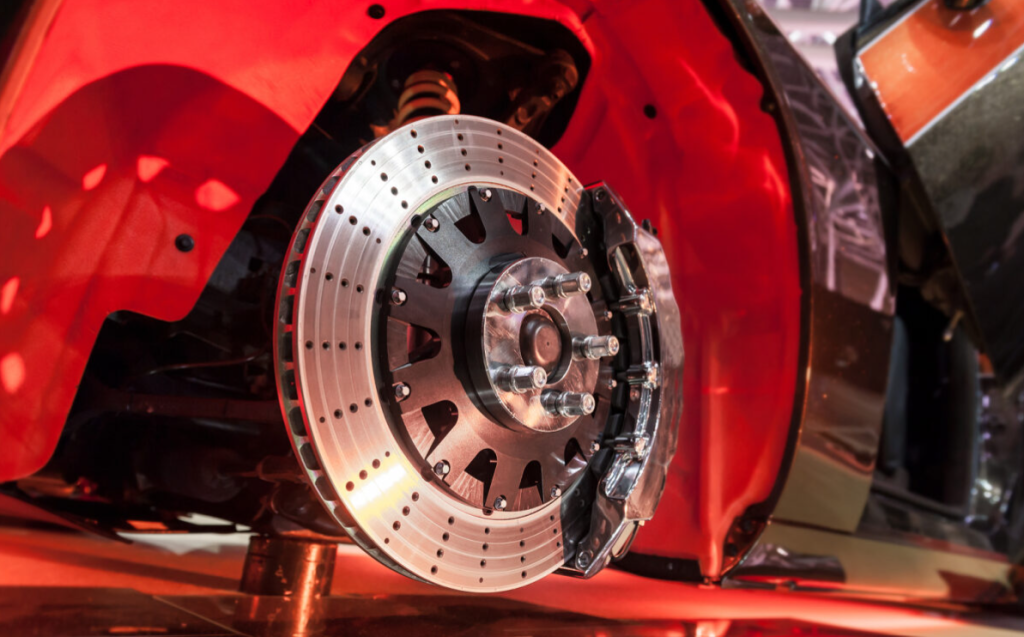
For your road safety and the safety of your passengers and other drivers, it's vital to keep your brakes well-maintained at all times. Full brake servicing involves the procedures laid out below. It's also important to respond quickly if you ever detect signs of brake trouble. You can have prompt brake repair service at your local Ford dealership. Check and Flush Brake Fluid Brake fluid must always be kept in good condition to maintain hydraulic pressure inside the brake lines. This strong hydraulic pressure allows the stopping signal to travel from the brake pedal and master cylinder to each braking mechanism at the wheels. If your brake fluid ever degrades or leaks, you might lose stopping power, which can be hazardous while on the road. During brake servicing, the technician will inspect the level and condition of your brake fluid. They'll also examine all the brake lines for signs of a leak. If necessary, they'll top up, bleed, or flush and replace the brake fluid. As brake fluid tends to slowly become contaminated over time, a full flush is usually required once every two years. more Inspect Brake Pads and Rotors Both brake pads and rotors get gradually worn down by the enormous friction and heat generated whenever the brakes are used. Brake pads generally need to be replaced most frequently. The technician can check each pad and replace any that require it. They can also let you know how much longer your current pads are likely to last. Damaged or warped rotor discs can sometimes be resurfaced, which extends their useful lifespan. But the technician might need to replace any rotors that are excessively worn down. Brake pads can last anywhere from 20,000 to 70,000 miles, depending on how much you use your brakes, whereas rotors tend to last closer to 70,000 miles. Examine Caliper Components Each caliper also needs to be carefully inspected during servicing. If any of the caliper mounting brackets, bolts, pins, clips, dust boots, or other parts have loosened or malfunctioned, the technician will tighten them up or replace them. Schedule Biannual Brake Maintenance at Your Ford Dealership Brake servicing is one maintenance task that you don't want to miss. However, in our busy modern lives, it can be easy to overlook things like this. One excellent way to stay on top of your brake maintenance is to schedule routine visits at your local dealership. The technicians can recommend servicing intervals based on your regular driving habits and then send you reminders whenever a visit is due. Have your brakes promptly repaired today at Coughlin Ford Heath in Newark, OH. Our full-service dealership serves as a comprehensive one-stop shop for all your automotive purchasing and maintenance needs.

A Ford technician working on a vehicle.

Maximizing Vehicle Longevity with OEM Parts for Your Ford

Whether your vehicle needs a major repair or regular maintenance, using OEM parts to repair your Ford can help maximize your vehicle's longevity. Let's take a look at a few reasons why you should schedule a repair at your local Ford dealership, Coughlin Ford of Heath in Heath, OH, and use original Ford parts for every repair. Maximizing Vehicle Longevity With OEM Parts for Your Ford The Truth About Aftermarket Car Parts With original parts by OEM, you can rest assured that each and every part has been built to the same high standard, and put through rigorous testing. The same can't be said for aftermarket parts made by a third-party manufacturer. Often, the consumer has no way of knowing what kind of testing that part has undergone, or what the production process is like. This means that even the same aftermarket parts can be of different quality. Additionally, aftermarket parts may be designed to fit many different types of vehicles to make more money and save on production costs. This means that the part may not be a perfect fit for your vehicle. more The Importance of Using Quality Parts Purchasing an aftermarket car part may seem like a good way to save money. However, the reality is that it can wind up costing you more than you'd spend by investing in higher-quality parts. Aftermarket parts that haven't been put through the same testing or built with the same high standard won't last as long as an original part. This means that you'll likely have to replace it sooner. Not only will you need to pay for another part, but you'll also need to pay for service again to have the part installed. If the aftermarket part fails unexpectedly, you could also find yourself stuck and in need of an emergency repair, which can be even more costly. Additionally, if the aftermarket part fails or wears down prematurely, it can lead to damage to other parts of your vehicle as well, which can shorten ​your vehicle's lifespan. Why You Should Schedule Repairs at Your Ford Dealership One of the best ways to guarantee not only that your repairs will be completed using the best original parts, but also that the repair will be of the highest quality, is to always visit a dealership to have work done on your vehicle. The mechanics at the service department at your Ford dealer are experts in your vehicle. They know which parts are best for each repair, as well as the ins and outs of performing every kind of repair. If your vehicle needs regular maintenance or repair work, don't wait to schedule your service. Contact Coughlin Ford of Heath in Heath, OH today to schedule an appointment with our service department.

Four car tires and a person giving a thumbs-up.

Does Your Ford Need New Tires?

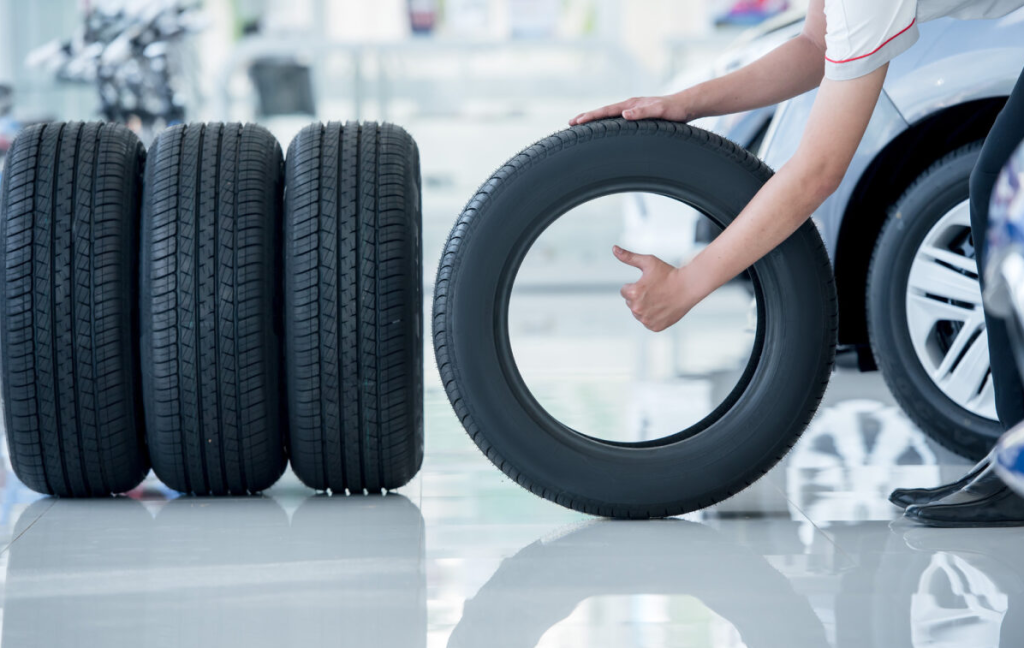
Ensuring your vehicle is always running on good quality tires ensures your safety and the safety of everyone else on the road. It also goes a long way towards keeping your car running efficiently and without issues. If you notice any of the following signs, it might be time to get new tires from your Ford dealer. Is There Uneven Tread Wear? This can manifest in several ways, such as excessive wear on one side of the tire or in the middle. Uneven wear can be caused by improper alignment, incorrect tire pressure, or even issues with the suspension. Regularly inspect your tires for any uneven patterns or bald spots, as these are clear indicators that the tires need to be replaced. more Is the Tread Depth Too Shallow? The tread depth of your tires is critical for maintaining grip on the road, especially in wet conditions. A simple way to check the tread depth is the penny test. Stick a penny into the tread groove with Lincoln's head upside down. If you can see the top of Lincoln's head, the tread is too low and you need new wheels. Are There Cracks in the Sidewall? Inspect the sidewalls of your Ford's tires. Look for cracks or cuts in the sidewall: these can be indicative of the tire's advanced age or of it being dried out. Cracks in the sidewall can lead to tire failure. Do You See Bulges or Blisters? Another sign to look out for is bulges or blisters on the surface of the tire. These weak spots can lead to a sudden blowout and are often caused by hitting a curb or pothole. Are You Feeling Excessive Vibrations? Although vibrations can be due to various issues, one common cause is uneven tire wear or tires that are out of balance. If the vibrations persist even after having the tires balanced, it's a sign that the tires themselves may need replacing. How Old Are They? Most manufacturers recommend replacing tires every six years, regardless of tread depth. Over time, tires degrade and can become unsafe, even if they're not regularly used. Talk to us about the age of your tires if you're not sure. Do They Lose Air All the Time? If you find yourself frequently needing to top up the air in your tires, it could be a sign of a slow leak. Check for punctures or damaged rims. Continuous air loss is a clear sign that the tires are in some trouble. If you notice any of these signs, it may be time to change up the tires. Come talk to us at Coughlin Ford Heath right away, and we'll make sure you're safe on the road.

Check engine light.

3 Engine Problems You Should Always Fix at Your Ford Dealership

Your Ford's engine contains a large number of components, and each must work effectively to enable our car to perform at its best. Engine problems can develop due to damaged or worn parts, and Coughlin Ford of Heath has specialized technicians and equipment to repair any problem. These are a few of the problems that we can repair if they develop. Damaged Sensors Your Ford engine has numerous sensors, each of which is connected to an important component. These sensors relay information to your car's computer on their attached component's health and performance. The computer uses this information to make essential decisions that allow your engine to operate efficiently. Sensors can become damaged or wear out, and a failing sensor will report either wrong information or no information to the computer. Without information from the sensors, the computer is forced to guess what decision to make. For example, a wrong decision on oxygen content in the exhaust can lead to damaged spark plugs or a failed catalytic convertor. We can test your sensors and quickly install replacements if needed. more Worn Alternator The alternator produces electricity for all your car's systems and devices. It's a relatively simple component that converts mechanical energy from the crankshaft into DC for your car. The alternator will age, and as it does so, the level of electricity it produces will slowly decrease. This drop in electricity production isn't immediately noticeable, as the alternator usually produces more power than your systems require. Eventually, the alternator will reach a point where it can't supply enough power for all your car's systems. This shortfall in production forces your car's computer to allocate the limited power available to the systems that need it most. This situation can result in other systems slowing down or failing, for example, your radio might suddenly stop working. We can test the alternator, and we will install a new one if it's failing. Blocked Converter Catalytic converters have been installed on every vehicle in the US since 1975. The converter changes dangerous chemicals produced by the combustion process into less harmful ones and water. It does this using a combination of extreme pressure, chemical reactions, and great heat. The conversion process produces carbon, which can cause a blockage in the converter. If the converter is blocked, engine gasses that enter the convertor will be forced back into the engine. These chemicals increase pressure in the engine and will alter the fuel-air mixture. A high fuel-to-air ratio turns your engine fuel-rich, which causes damage to engine components and increases fuel consumption. We can fix a blocked converter by removing it and clearing the blockage. If your engine has a problem, we'll fix it. Call our service department today at Coughlin Ford of Heath.

Car headlights.

Getting New Headlights at Your Ford Dealer

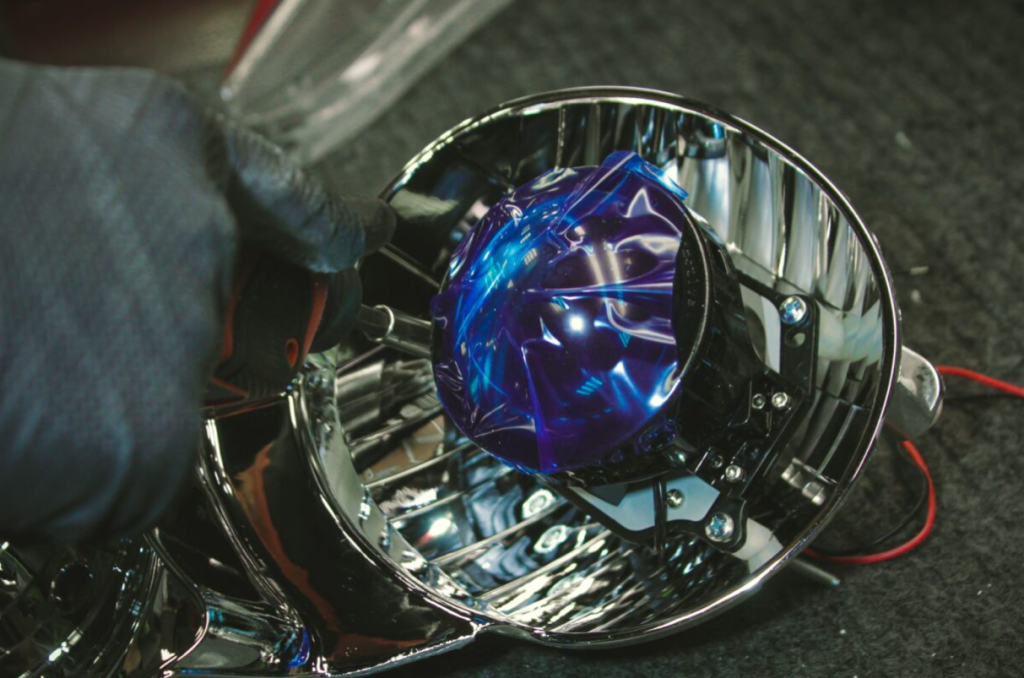
There are lots of components of your car that'll need to be replaced every few years, and your headlights are one—well, technically two—of those components. You won't need to get new headlights too frequently, but you'll still need to stop by the Coughlin Ford of Heath to replace them once in a while. How Often Do You Need New Headlights? How often you need to replace your headlights depends largely on how often you use them. For example, if you do a lot of driving late at night or in the very early morning, then you'll need to replace yours more often than a driver who drives most during daylight. Headlights last the average driver at least five years, though they may even remain working for another year or two after those five years are up. However, headlights get dimmer over time, as the bulbs age and will begin to wear out. That's why you should replace them before they stop working as well as they used to. more Problems That Mean It's Time to Visit the Ford Dealer to Replace Your Headlights 1. Dimming As we said above, when your headlights get dimmer, it means they're on their way out. If they're significantly dimmer than they used to be, then they're probably going to stop working sooner rather than later. 2. Flickering It's very common for bulbs to flicker when they're burning out. If you notice even a small amount of flickering, then you should get to the dealer before you have to use the headlights again. The flickering will probably get worse until your headlights stop working completely. 3. One Stops Working When one of your headlights stops working, then it's a sign that the other one isn't going to last much longer. Your headlights should always be replaced at the same time, so visit the dealer to get both of the bulbs replaced. 4. Haziness or Yellow Hue Haziness and yellowing sometimes tell you that your headlights are becoming weaker and will need to be replaced soon. However, the lights becoming hazy and/or yellow can also tell you that your headlights just need a good cleaning with a special solution that you'll find at the dealer. 5. They Stop Working If your headlights just stop working completely, then you definitely need to head to the dealer. Make sure you make the trip on a bright, clear day. Be aware that your dealer may want to check your battery, too, as a dying battery can also stop your headlights from working properly. Stop by Coughlin Ford of Heath if you need replacement headlights for your car. We'll get them replaced for you in no time, so it won't be long before you're back on the road with fully functioning headlights once again.

Ford battery.

4 Signs Your Ford Needs a New Car Battery

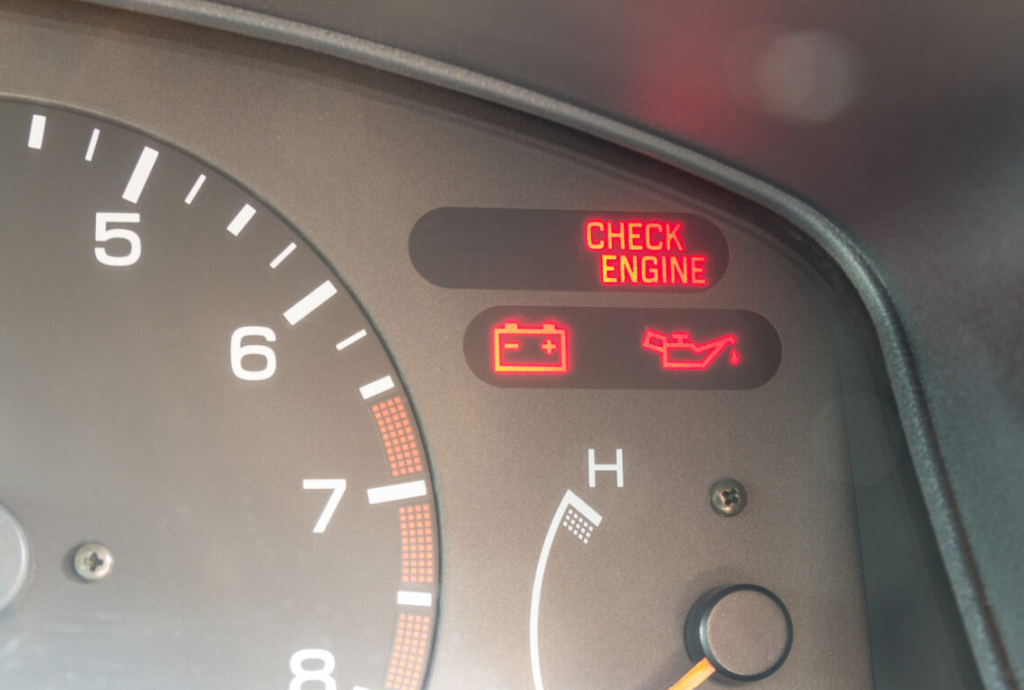
Your car's battery is like its heart: it keeps everything running smoothly and ensures you can start its engine whenever you need to. However, just like any other car part, batteries wear out over time. It's important to recognize the signs that your Ford might need a new car battery before it leaves you stranded. Here are some signs it might be time to head to the Ford dealership to replace your car battery. 1. Slow Engine Crank When you turn the key or push the start button, your engine should roar to life almost instantly. If you notice that your Ford is taking longer than usual to start, or the engine is cranking slowly, it could be a sign that your battery is on its way out. The battery provides the necessary power to start the engine, but as it ages, it loses its ability to hold a charge, resulting in a slower start. more 2. Dimming Lights and Electrical Issues The battery powers all the electrical components in your car, from the headlights to the radio. If you notice that your lights are dimmer than usual, or if other electrical components are not working correctly, it could be an indication that your battery is losing its charge. When the battery is weak, it struggles to supply the necessary power to all the car's electrical systems, leading to diminished performance. 3. The "Check Engine" or Battery Light is On Most Fords come equipped with a battery warning light on the dashboard, which illuminates if the battery is not charging properly. Additionally, a weak battery might trigger the "Check Engine" light. If either of these lights comes on, it's important to get your battery tested as soon as possible to determine if it needs to be replaced. 4. A Swollen Battery Case The battery case should always be in good condition. If you notice that it is swollen or bloated, it's a clear sign that the battery has gone bad. This can happen when your battery is exposed to excessive heat, causing the internal parts to expand. This not only diminishes the battery's performance but can also be dangerous if not addressed promptly. Get Help at Your Ford Dealership Keeping an eye on your car's battery can save you from the hassle of getting stranded. Regular maintenance and battery checks at the dealership can help ensure that your Ford always has the power it needs to keep you on the move. If you have noticed any trouble with your car's battery, don't hesitate to get it checked. Remember, a healthy battery means a happy Ford and a reliable ride for you. Call Coughlin Ford of Heath and schedule a battery check today!

Contact Us

Fill out this form below and we'll contact you shortly
*Required Fields